
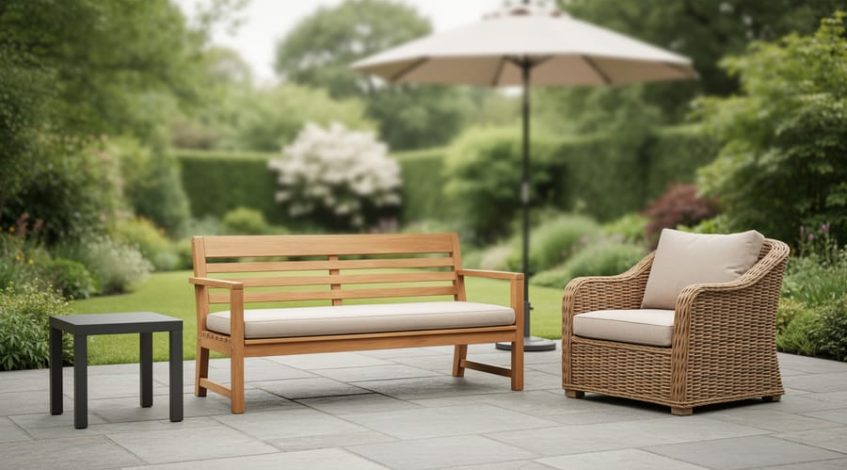
Choosing the right outdoor furniture for your patio comes down to three core factors: weather resistance, comfort for your specific use case, and materials that match your maintenance tolerance. Whether you’re furnishing a compact balcony or a sprawling backyard retreat, the decision between teak, aluminum, wicker, or sustainably sourced wood will shape how your space looks and functions for years to come.
The patio furniture market in 2026 offers everything from high-end commercial sets like Frontgate’s Isola 3-Piece Loveseat Set with its 10-year warranty to budget-conscious options like the Lark Manor Allieana 4-Person Seating Group. But here’s what the glossy catalogs won’t tell you: the best patio furniture isn’t always the most expensive. It’s the pieces that align with your climate, usage patterns, and willingness to maintain them. A Polywood Lakeside Deep Seating Set might outlast a cheaper alternative by a decade, while a handcrafted cedar bench you build yourself can deliver both longevity and the satisfaction of creating something with your own hands.
For DIY enthusiasts and sustainability-minded buyers, this guide bridges the gap between ready-made solutions and custom builds. You’ll discover why certain materials resist sun damage better than others, which joinery techniques hold up in humid climates, and when it makes sense to invest in commercial pieces versus crafting your own. The right patio furniture transforms outdoor spaces into genuine living areas, and understanding the trade-offs between durability, aesthetics, and environmental impact puts you in control of that transformation.
What Makes Great Patio Furniture in 2026
Great patio furniture in 2026 stands at the intersection of durability, comfort, and environmental responsibility. The best pieces withstand whatever weather your region throws at them while remaining inviting enough that you’ll actually use your outdoor space, not just look at it through the window.
Weather resistance isn’t optional anymore. Quality outdoor furniture resists UV degradation, moisture damage, and temperature extremes without constant intervention on your part. Materials like marine-grade polymers, powder-coated aluminum, and properly treated hardwoods have proven themselves across thousands of patios. The top commercial options like Frontgate’s Isola 3-Piece Loveseat Set and Polywood Lakeside 4-Piece Deep Seating Set demonstrate these qualities with warranties backing their weather-proof construction. For DIY builders, this same principle applies: selecting cedar, teak, or reclaimed hardwoods treated with marine-grade finishes delivers similar longevity.
Comfort separates furniture you’ll use from pieces that become expensive plant stands. Deep seating with properly angled backs, generous cushion thickness, and ergonomic arm heights transform a patio into a true outdoor living room. Commercial manufacturers have refined these dimensions, but woodworkers can achieve identical comfort by studying proven designs and adapting them to custom builds.
Maintenance demands reality-check many purchases. The gorgeous natural teak table loses its appeal when you realize it needs oil every six weeks. Great patio furniture cleans with a garden hose and mild soap, stores its cushions without elaborate systems, and survives a season of neglect without permanent damage. Sustainable materials like recycled HDPE and FSC-certified lumber often deliver the easiest care while supporting responsible forestry.
Key Factors to Consider When Buying Patio Furniture
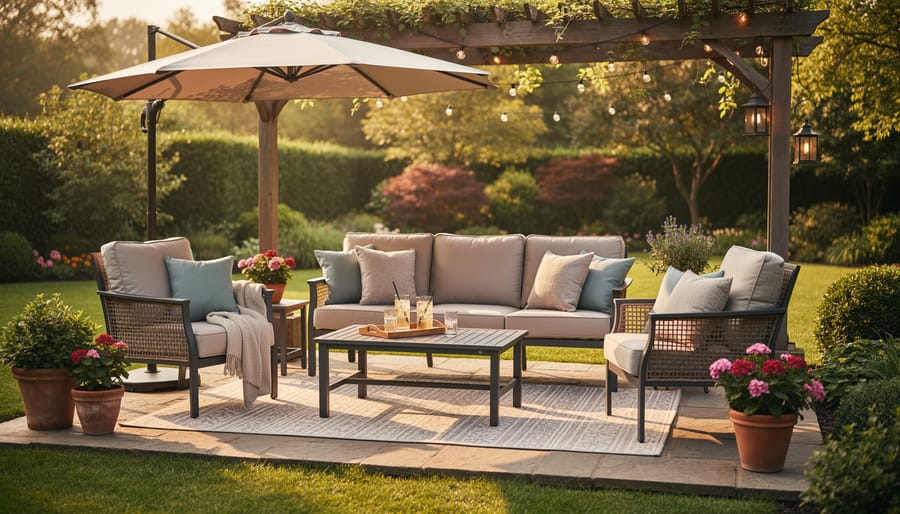
Material Durability and Weather Resistance
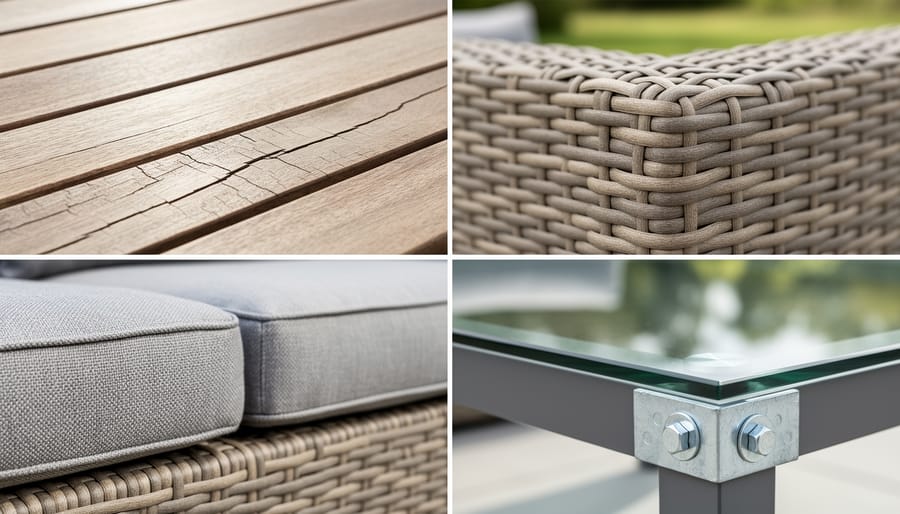
Your patio furniture faces relentless assault from sun, rain, humidity, and temperature swings. The material you choose determines whether your pieces thrive for decades or deteriorate within seasons.
Wood brings natural beauty and warmth, but not all species hold up equally outdoors. Teak, cedar, and ipe contain natural oils that resist moisture and decay, making them excellent long-term investments. For sustainable choices, FSC-certified lumber ensures responsible forestry practices, while reclaimed wood from old structures carries both character and environmental credentials. Expect annual oiling or sealing to maintain color and protection, though weathered gray patina develops naturally if you skip treatment.
Aluminum and powder-coated steel deliver excellent weather resistance without the weight of wrought iron. Quality powder coating resists chipping and rust, requiring only occasional cleaning. Recycled aluminum options reduce environmental impact while maintaining full durability. These metals heat up in direct sun but cool quickly.
High-density polyethylene (HDPE)often marketed as synthetic wicker or recycled plastic lumber, stands up to moisture without rotting, warping, or splintering. Many manufacturers use post-consumer plastics, turning waste into furniture that mimics wood grain or woven textures convincingly. Zero maintenance appeals to time-strapped owners, though aesthetic purists may prefer natural materials.
Natural wicker and rattan work beautifully in covered spaces but deteriorate rapidly when exposed to rain. Synthetic all-weather wicker offers the look with genuine outdoor durability, though it lacks the tactile warmth of genuine materials.
Match your material choice to your climate, maintenance tolerance, and sustainability priorities. The best material is the one you’ll actually care for properly.
Comfort and Ergonomics
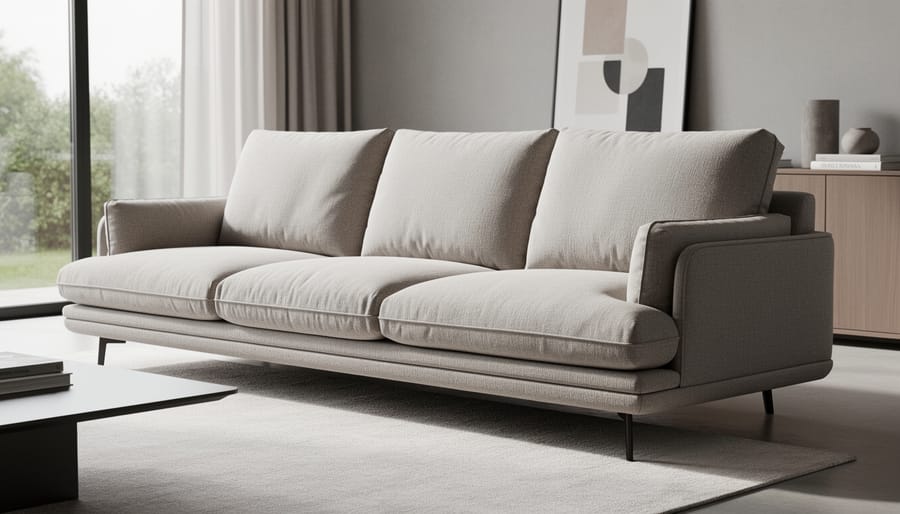
Comfort in outdoor furniture goes beyond initial impressions, you need pieces that remain comfortable after hours of use. Start by testing seating depth: your back should rest against the backrest while your feet touch the ground comfortably. Deep seating, like the Polywood Lakeside 4-Piece Deep Seating Set, works well for lounging but can feel awkward for upright dining or conversation if you’re shorter than average.
Cushion quality determines long-term comfort more than frame design. Look for high-density foam cores wrapped in quick-dry materials, cheap cushions compress within a season and retain moisture that breeds mold. Squeeze cushions firmly: they should resist compression and spring back quickly. Check that covers are removable and washable, since outdoor cushions inevitably face spills and weather exposure.
Pay attention to armrest height and width. Armrests should support your forearms without forcing your shoulders up or making it difficult to stand. Wide, flat armrests double as side tables but can make seating feel bulky in tight spaces. If possible, sit in the actual furniture for at least five minutes, shifting positions as you would during real use. A chair that feels fine initially may reveal pressure points or awkward angles once you settle in.
Size and Space Planning
Before you fall in love with a furniture set, you need to measure your patio, and we mean actually measure it, not eyeball it. Start by recording the full dimensions of your space, then subtract at least 30 inches from each side to create walkways. This breathing room ensures people can move comfortably around furniture without turning sideways or bumping into chair arms.
For small patios (under 100 square feet), think vertical and multifunctional. A bistro set or compact loveseat with nesting side tables maximizes usability without crowding the space. Avoid bulky deep seating that consumes precious square footage, instead, consider armless chairs or a single statement piece like a quality Adirondack paired with a small side table.
Expansive patios offer more flexibility but require thoughtful zoning. Divide the space into functional areas: dining, lounging, and perhaps a conversation zone. A large dining set like the Yardbird Pepin 5-Piece works beautifully when you have room to pull chairs out fully (add 36 inches behind each chair). Place larger pieces like sofas or sectionals away from traffic paths, anchoring them with outdoor rugs to define distinct zones.
Finally, map your door swings, grill placement, and any planters before committing to a layout. What looks spacious empty can feel cramped once furniture, people, and movement patterns collide.
Maintenance Requirements
Different materials demand vastly different care routines, so understanding maintenance needs upfront prevents surprises later. Aluminum and powder-coated steel require minimal effort, occasional soap-and-water washing to remove pollen and dirt keeps them looking sharp. Synthetic wicker needs similar low-maintenance cleaning, though you should check for loose strands annually and trim them with scissors before they unravel.
Natural teak develops a silvery patina unless you apply teak oil or sealer twice yearly to maintain its honey tone. Cedar and other softwoods need annual treatment with wood preservative or outdoor stain to prevent cracking and weather damage. Reclaimed wood pieces benefit from similar seasonal care, plus extra attention to existing joints and hardware.
Cushions present their own challenge. Remove and store them during heavy rain, or invest in waterproof storage boxes. Most outdoor fabric can handle machine washing on gentle cycles, but check manufacturer tags first. A quick DIY tip: spray cushions with a fabric protector twice per season to repel moisture and prevent mildew.
Winter preparation varies by climate. Cold regions demand covered storage or heavy-duty furniture covers, while milder areas may only need repositioning pieces away from standing water. Drain any hollow metal components before freezing temperatures hit to prevent cracking.
Budget and Long-Term Value
Quality patio furniture costs more upfront but delivers value through decades of use rather than years. A premium teak dining set might run three times the price of a budget equivalent, yet outlast it ten-fold with minimal maintenance. Calculate cost per year of service, not just the sticker price.
Invest heavily in pieces that get daily use, your primary seating or dining table, where comfort and durability matter most. Budget options work fine for occasional accent pieces or seasonal additions you might swap out. The Lark Manor Allieana 4-Person Seating Group demonstrates that value doesn’t mean sacrificing quality entirely; it simply requires accepting trade-offs in materials or features.
Handcrafted furniture shifts the value equation entirely. Building your own outdoor pieces from reclaimed lumber or commissioning a local woodworker costs more than flat-pack imports but creates heirloom-quality furniture you can repair indefinitely. You’re paying for craftsmanship, sustainability, and uniqueness rather than mass production.
Types of Patio Furniture: Finding Your Perfect Setup
Conversation and Lounge Sets
Conversation and lounge sets transform your patio into a natural gathering spot where friends and family want to linger. These configurations typically include multiple seating pieces arranged to encourage face-to-face interaction, think sectionals that wrap around a fire pit, loveseat pairs flanking a coffee table, or lounge chair groupings that create intimate conversation nooks.
The Frontgate Isola 3-Piece Loveseat Set stands as a current favorite, backed by a 10-year warranty that speaks to its build quality and durability. For those seeking maximum comfort in modern design, the Outer Aluminum Armchair Conversation Set offers deep seating with weather-resistant aluminum frames that won’t rust or corrode. Budget-conscious buyers should consider the Lark Manor Allieana 4-Person Seating Group, which delivers solid value without sacrificing the essential features of comfort and weather protection.
When evaluating conversation sets, prioritize pieces that encourage relaxed postures, deep seats, supportive backs, and comfortable armrests matter more than you might think during extended gatherings. Consider modular sectionals if you like rearranging your space for different occasions, or opt for fixed sets if you prefer a consistent layout. The best conversation furniture disappears into the background of your outdoor entertaining, letting the connections happen naturally.
Outdoor Dining Sets
Outdoor dining sets transform your patio into a proper alfresco restaurant, where morning coffee and summer dinner parties happen under open sky. The core decision is table shape and size: round tables encourage conversation and work beautifully in smaller spaces, while rectangular options seat more guests and suit longer patios. For intimate spaces, bistro sets with two chairs create a café vibe without overwhelming the footprint. Mid-sized sets typically seat four to six, handling everyday family meals and casual gatherings. If you regularly host larger groups, look for extendable tables or sets that accommodate eight or more.
The Yardbird Pepin 5-Piece Round Outdoor Dining Set exemplifies current quality standards, balancing generous seating with a sociable round configuration that eliminates head-of-table formality. When evaluating any dining set, check chair comfort for extended sitting, armrests add lounging potential but reduce how many fit around the table. Material pairing matters: powder-coated aluminum frames paired with weather-resistant rope or sling seating offer durability without the weight of solid wood, though hardwood sets bring warmth and can be refinished over decades. Measure your patio carefully, allowing at least three feet behind each chair for comfortable movement when guests stand up.
Individual Seating: Chairs and Benches
Individual seating gives you maximum flexibility to create custom arrangements that adapt as your needs change. Unlike fixed sets, chairs and benches can be repositioned for conversation clusters, pulled up to impromptu dining, or scattered around a fire pit.
Adirondack chairs remain beloved for their reclined comfort and iconic silhouette. The Polywood Grant Park Modern Adirondack Chair exemplifies quality construction in this category, combining weather-resistant materials with ergonomic back support. Traditional slat designs drain water quickly and require minimal maintenance, ideal for regions with frequent rain.
Rocking chairs bring gentle motion that enhances relaxation, particularly on covered porches. Look for wide rockers with substantial bases that won’t tip on uneven surfaces. Lounge chairs with adjustable backs serve double duty for reading and sunbathing, though they demand more storage space than upright seating.
Outdoor benches anchor garden paths or provide overflow seating during gatherings. Backless designs work well beneath pergolas or against railings, while benches with backs function as compact sofas. Cedar and teak benches develop attractive silver patinas over time, or you can build your own from reclaimed lumber for a fraction of retail cost.
Mix chair styles rather than matching everything, a rocker beside two Adirondacks creates visual interest while serving different comfort preferences.
Sofas and Deep Seating
Outdoor sofas and deep seating pieces transform your patio into a true extension of your living room, offering the plush comfort you’d expect indoors with materials engineered to withstand the elements. These generously cushioned options typically feature seat depths of 24 to 30 inches and thick, supportive cushions that invite you to settle in for hours.
The Pottery Barn Woodside stands out as a top patio sofa choice, combining classic styling with outdoor durability. For those seeking a complete lounge configuration, the Polywood Lakeside 4-Piece Deep Seating Set offers a comprehensive solution with coordinated seating that includes deep, comfortable cushions designed for extended relaxation.
What separates quality deep seating from standard outdoor furniture is the attention to comfort details: high-density foam cores wrapped in quick-dry materials, generously sized armrests, and frames built low to the ground for a relaxed, lounge-like feel. Look for pieces with removable, washable cushion covers and frames constructed from rust-resistant aluminum or all-weather resin that won’t warp or fade.
Deep seating works best on larger patios where you have room to accommodate the extended dimensions, but modular configurations let you adapt the layout as your space and needs evolve.
Our Top Recommendations for 2026
Our recommendations for 2026 span three distinct approaches: premium commercial pieces for those who value turnkey quality, value-driven options that don’t sacrifice durability, and DIY-friendly projects for makers who want to build something meaningful.
For best-in-class commercial furniture, Frontgate’s Isola 3-Piece Loveseat Set stands out as our top pick. It delivers exceptional comfort with deep seating and premium cushions, backed by a 10-year warranty that reflects genuine confidence in longevity. If you prefer modular flexibility, the Polywood Lakeside 4-Piece Deep Seating Set offers comparable quality with the added advantage of reconfigurable pieces that adapt to different entertaining needs. For dining, the Yardbird Pepin 5-Piece Round Outdoor Dining Set creates an intimate gathering space that encourages conversation, while the Outer Aluminum Armchair Conversation Set excels as a dedicated lounge area with contemporary styling and exceptional weather resistance.
Budget-conscious shoppers shouldn’t overlook the Lark Manor Allieana 4-Person Seating Group, which proves that value doesn’t mean compromise. This set delivers solid construction and comfort at a fraction of premium pricing. For individual seating, the Polywood Grant Park Modern Adirondack Chair modernizes a classic design with recycled materials, and Pottery Barn’s Woodside sofa brings indoor-level comfort to outdoor spaces without the premium price tag of custom upholstery.
The DIY and handcrafted path offers something commercial furniture can’t: pieces built exactly to your space and style. Here are approaches worth considering for different skill levels and budgets:
- Cedar lounge chairs using mortise-and-tenon joinery for intermediate woodworkers who want heirloom-quality seating
- Reclaimed pallet furniture transformed with proper sanding, staining, and weatherproofing for budget-conscious beginners
- Live-edge dining tables from locally sourced slabs, creating one-of-a-kind focal pieces that tell a story
- Custom sectional frames built to exact patio dimensions, then topped with commercial-grade outdoor cushions
- Repurposed church pews or vintage metal chairs refinished for outdoor use, blending character with sustainability
A mid-range cedar bench project typically costs between one-third and half the price of a comparable commercial piece while offering superior customization. You control the dimensions, finish, and joinery method. More advanced builders can tackle full dining sets or sectional lounges, especially when working with reclaimed lumber that reduces material costs while supporting environmental goals.
The sweet spot for many lies in a hybrid approach: invest in a quality commercial dining set for daily use, then build accent pieces like side tables, planters, or Adirondack chairs that complement the aesthetic while showcasing your craft.
The DIY and Handcrafted Alternative
Building your own patio furniture transforms a functional project into a deeply personal outdoor space while sidestepping the limitations of mass-produced options. Whether you’re working from your starter woodworking kit or have a well-equipped shop, creating handcrafted outdoor pieces lets you control every detail, from dimensions that fit your exact patio measurements to wood species that match your aesthetic vision.
For beginners, simple woodworking projects like cedar benches or planter boxes offer manageable entry points that teach fundamental joinery without overwhelming complexity. A basic Adirondack chair requires only straight cuts and simple angles, yet delivers iconic outdoor style and surprising comfort. Many woodworkers report that their first successful outdoor build, completed over a weekend, sparked years of furniture-making passion.
Intermediate builders might tackle modular sectional frames that accept standard outdoor cushions, or construct a dining table from reclaimed wood planks with mortise-and-tenon construction for heirloom durability. The same techniques you’d use for an indoor pallet coffee table scale beautifully to outdoor pieces when you select weather-resistant fasteners and finishes.
Commissioning a custom piece from a local furniture maker bridges the gap between DIY and commercial furniture. You gain bespoke dimensions and material choices while supporting craftspeople who prioritize sustainable sourcing and traditional joinery. One maker in Portland shared how a client’s request for a patio dining table from reclaimed fir beams became a family heirloom that seats twelve comfortably, something no catalog could provide at any price.
Reclaimed materials deserve special mention for outdoor builds. Old-growth cedar from dismantled water tanks, cypress from demolished buildings, and teak from decommissioned boats bring character and proven weather resistance that new lumber takes decades to develop. These woods have already survived harsh conditions, making them ideal candidates for your patio while adding provenance and texture that commercial furniture can’t replicate.
Common Mistakes to Avoid When Choosing Patio Furniture
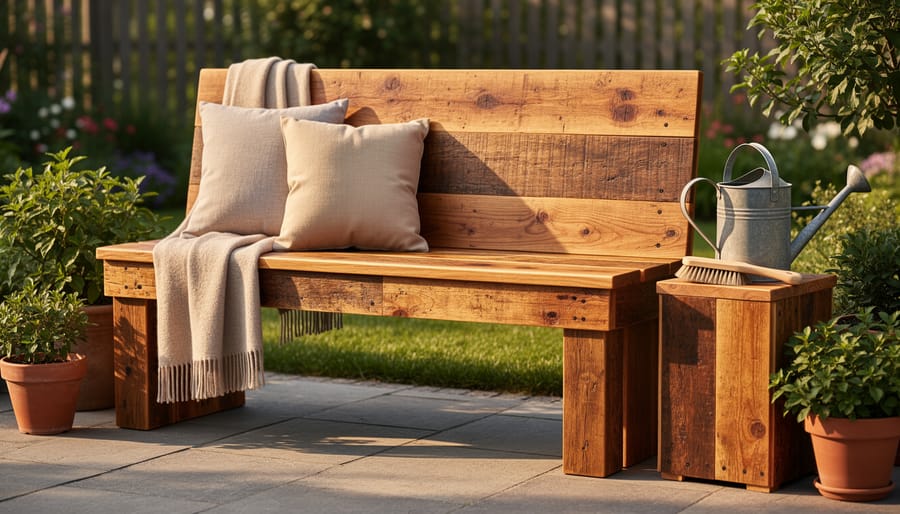
The most expensive patio furniture mistake isn’t buying the wrong style, it’s ignoring your local climate. A gorgeous teak set might be perfect for the Mediterranean-like conditions of Southern California but will crack and warp in Colorado’s intense UV exposure and dramatic temperature swings. Before you commit to any purchase, consider what your climate will do to materials over years of exposure. Metal furniture that looks stunning in temperate zones becomes unusably hot in desert regions, while untreated wood that thrives in dry climates will rot within seasons in humid coastal areas.
Measuring your space after the furniture arrives ranks among the most common regrets. That sectional sofa looked reasonable online, but now it blocks your patio door and leaves no room for foot traffic. Always measure your patio dimensions, doorways, and pathways before shopping, and account for at least 30 inches of walking space around seated areas. Sketch a basic layout or use painter’s tape to mark furniture footprints on your patio floor. This simple step prevents expensive returns and the frustration of realizing your dream dining set won’t actually fit.
Here are the key pitfalls that lead to buyer’s remorse:
- Prioritizing aesthetics over material durability, resulting in furniture that looks great for one season but fails by the second
- Forgetting to plan for cushion storage, leaving you scrambling to cram bulky cushions into already-full garages every evening
- Underestimating assembly complexity and time, especially with larger sets that require two people and specialized tools
- Buying furniture without testing it first, only to discover the seating depth is uncomfortable for your height
- Choosing pieces that don’t match your actual usage patterns, a formal dining set when you mostly grill and eat casually
- Neglecting weight considerations in windy areas, where lightweight aluminum chairs become projectiles during storms
Another common trap is treating outdoor furniture as purely functional rather than as an opportunity for creative expression. While commercial options dominate the market, many woodworkers miss the chance to build custom pieces suited exactly to their space and needs. If you’ve tackled projects like a floating shelf DIY, you already have skills that translate to outdoor furniture construction. Building your own patio furniture or commissioning a local craftsperson lets you control material sourcing, ensure proper joinery for your climate, and create pieces that will genuinely last decades rather than seasons.
Caring for Your Outdoor Furniture
Proper maintenance extends the lifespan of your patio furniture and preserves both its appearance and your investment. The care approach varies significantly by material, but consistency matters more than complexity.
For wooden furniture, including teak, cedar, and reclaimed pieces, start each season with a gentle cleaning using mild soap and water. Avoid pressure washers, which can damage wood grain and strip natural oils. Apply a protective oil or sealant annually, linseed oil or tung oil work beautifully for most hardwoods and offer a sustainable alternative to commercial sealers. Check joints and hardware twice yearly, tightening screws and replacing corroded fasteners before they cause structural issues.
Metal furniture demands different attention. Wipe down aluminum and powder-coated steel monthly during use, checking for chips in the finish that expose bare metal to moisture. Touch up scratches immediately with matching paint to prevent rust from spreading. Wrought iron benefits from an annual coat of marine-grade wax after cleaning, which creates a moisture barrier without chemicals.
Wicker and resin furniture cleans easily with a soft brush and soapy water. Rinse thoroughly to prevent soap residue from attracting dirt. For natural wicker, occasional conditioning with furniture oil prevents brittleness.
Cushions require the most frequent care. Remove and shake them weekly to prevent mildew. Most outdoor fabrics tolerate spot-cleaning with mild detergent, but always check manufacturer guidelines before using bleach solutions. Between uses, store cushions in a dry location, a storage bench built from weather-resistant wood serves double duty as seating and protection.
Before winter, clean all pieces thoroughly and allow them to dry completely. Cover furniture with breathable, UV-resistant covers rather than plastic tarps, which trap moisture. If space permits, move pieces under cover or into a garage. For items left outside, elevate them on blocks to prevent ground contact and water pooling.
These practices cost little beyond time but dramatically reduce replacement frequency, making quality furniture a truly long-term investment.
Main Options Compared
When choosing patio furniture, most buyers narrow their decision to three primary categories, each serving different outdoor living priorities.
Conversation sets anchor social spaces with sectionals or lounge chairs arranged for easy conversation. These typically include deep seating with thick cushions, ranging from compact three-piece groupings to expansive modular configurations. They excel at creating comfortable gathering spots but require more square footage and weather-protected cushion storage. The Outer Aluminum Armchair Conversation Set exemplifies this category’s focus on lounging over dining.
Dining sets prioritize alfresco meals with tables and chairs designed for eating rather than prolonged relaxation. Available in sizes from bistro-style two-tops to eight-person arrangements like the Yardbird Pepin 5-Piece Round Outdoor Dining Set, they work best when you host frequent outdoor meals. Trade-off: chairs emphasize upright posture over sink-in comfort.
Individual piecesstandalone chairs, benches, and sofas, offer maximum flexibility for mixing styles and adapting to changing needs. Options like the Polywood Grant Park Modern Adirondack Chair let you build your setup incrementally and rearrange easily. This approach costs more per seat than sets but accommodates irregular spaces and evolving preferences better than matched collections.
Your lifestyle determines the winner: frequent entertainers benefit from conversation sets, outdoor diners need proper tables, and those seeking flexibility should start with quality individual pieces.
Frequently Asked Questions
How long should quality patio furniture last?
Well-maintained patio furniture should last 7-15 years depending on material quality and climate conditions. Premium pieces like the Frontgate Isola 3-Piece Loveseat Set come with 10-year warranties that reflect their durability, while properly treated DIY furniture built from quality hardwoods or cedar can exceed 15 years with seasonal care.
What’s the most weather-resistant material for patio furniture?
Aluminum and high-density polyethylene (HDPE) recycled plastic offer the best weather resistance across all climates, requiring minimal maintenance while resisting rust, rot, and UV damage. For wooden furniture, teak and cedar naturally resist moisture and insects, though they need periodic sealing to maintain their appearance.
Should I leave patio furniture outside during winter?
Most weather-resistant furniture can remain outside year-round if properly covered, but cushions should always be stored indoors. In harsh winter climates with heavy snow or ice, bringing furniture into a garage or shed extends its lifespan significantly, particularly for pieces with moving parts or joints.
Is building DIY patio furniture worth the effort?
DIY patio furniture offers substantial cost savings and customization options if you have intermediate woodworking skills and appropriate tools. A handcrafted dining table from reclaimed lumber costs roughly half what comparable commercial pieces run, plus you control dimensions, finish, and joinery quality to match your exact needs.
How do I know if patio furniture will fit my space?
Measure your patio dimensions and sketch a floor plan before shopping, allowing 24-36 inches of clearance around furniture for traffic flow. Mock up furniture placement with cardboard boxes or masking tape to visualize scale, remembering that outdoor pieces often look smaller in showrooms than they appear on your actual patio.
What’s the difference between weather-resistant and weatherproof furniture?
Weather-resistant furniture withstands outdoor conditions with proper care and occasional maintenance, while truly weatherproof pieces require virtually no protection from the elements. No outdoor furniture is completely immune to environmental wear, but materials like powder-coated aluminum and HDPE come closest to weatherproof performance.
These questions reflect the most common concerns we hear from both first-time patio furniture buyers and experienced outdoor living enthusiasts. The answers balance practical advice with realistic expectations, whether you’re investing in commercial pieces or embarking on a DIY build. Understanding these fundamentals helps you make decisions that align with your climate, maintenance capacity, and budget constraints rather than chasing unrealistic promises about indestructible furniture or effortless upkeep.
Choosing the right outdoor furniture for your patio is more than a purchase decision. It’s an investment in how you’ll live, gather, and relax outside for years to come. The pieces you select shape whether your patio becomes a true extension of your home or just another underused space.
Throughout this guide, we’ve explored the factors that matter most: materials that withstand the elements, comfort that invites lingering conversations, spatial planning that maximizes your available area, and maintenance routines that protect your investment. We’ve compared everything from conversation sets to dining configurations, examined both commercial favorites like the Frontgate Isola and Pottery Barn Woodside alongside handcrafted alternatives, and highlighted the mistakes that lead to regret.
Whether you choose a carefully vetted commercial set, build your own pieces from reclaimed lumber, or commission a local woodworker to create something unique, prioritize durability, genuine comfort, and environmental responsibility. Your patio deserves furniture that reflects your values and serves your lifestyle. With the right choices, you’ll create an outdoor living space that draws you outside season after season.