
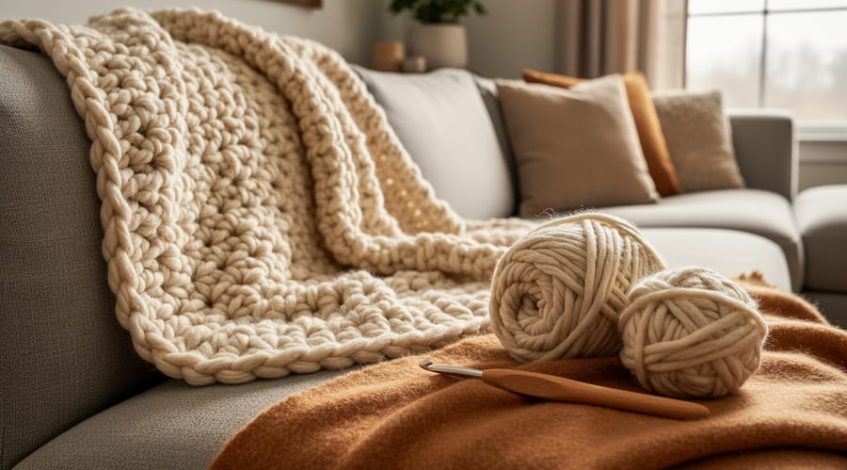
Yes, you can create a beautiful, cozy crochet blanket in a weekend without spending a dime on patterns. The seven free patterns featured here use super bulky yarn and simple stitches like single crochet or half-double crochet, meaning beginners can complete a throw-sized blanket in as little as 6-8 hours of actual crocheting time. These patterns require no complex stitch combinations, minimal color changes, and straightforward instructions that build your confidence stitch by stitch.
The appeal goes beyond speed. Quick projects share something meaningful with woodworking projects for beginners: they build foundational skills while producing something genuinely useful. That first blanket teaches tension control, consistent gauge, and the rhythm of repetitive stitching. You finish with a tangible piece that keeps someone warm, and you gain the muscle memory needed for more ambitious fiber projects down the road.
Choosing beginner-friendly patterns also supports sustainable crafting. When you select designs with minimal yarn waste and straightforward construction, you reduce the likelihood of frogging (ripping out stitches) and starting over. Super bulky weight yarn typically contains recycled fibers or comes from responsible wool sources, making your first blanket project an environmentally conscious choice. The patterns ahead prioritize clarity and efficiency, so you spend less time troubleshooting and more time enjoying the meditative motion of hook meeting yarn.
What Makes a Crochet Blanket Pattern Quick and Easy
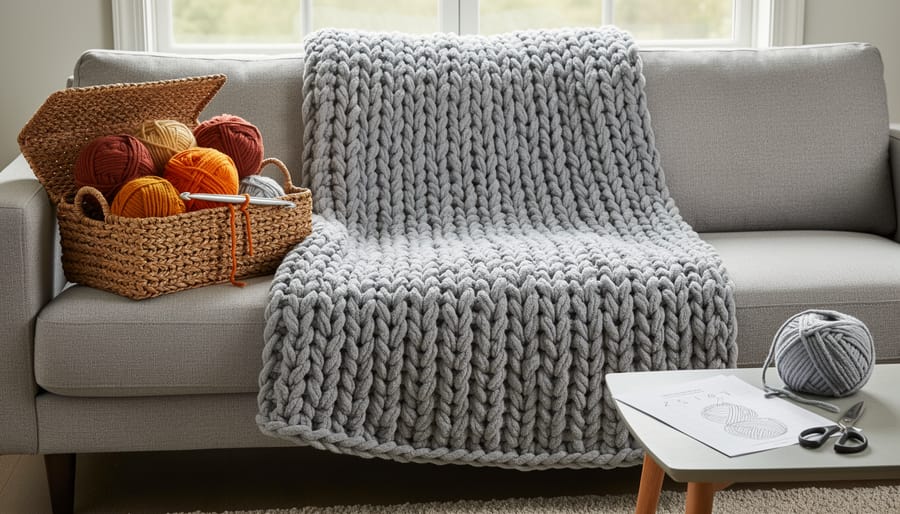
Not all crochet blanket patterns promise speed and simplicity, which is why selection criteria matter. A truly quick and easy pattern meets specific standards that reduce frustration and accelerate completion, especially for beginners working on their first blanket.
The foundation starts with stitch simplicity. Patterns featuring basic stitches like the popular blanket stitch work up faster because you’re not constantly consulting instructions or correcting mistakes. When you can establish rhythm and muscle memory within the first few rows, the rest flows naturally. Super bulky #6 yarn becomes your secret weapon here. This heavyweight yarn covers ground quickly, with each stitch creating substantial progress. A blanket that might take weeks with standard worsted weight can be completed in days with chunky yarn on an M/N-13 (9mm) hook.
Skill level matters more than many realize. Beginner-friendly patterns remove complicated techniques like intricate colorwork, pattern repeats that span dozens of rows, or stitches requiring constant attention. These patterns typically work in straightforward rows or rounds, letting you crochet while watching television or chatting with friends. The cozy chunky yarn not only speeds completion but forgives tension inconsistencies that might show in finer yarns.
When evaluating patterns, look for these key indicators:
- Single-stitch construction or simple two-stitch alternating patterns
- Super bulky #6 yarn weight for maximum coverage per stitch
- Clear written instructions with minimal abbreviations and jargon
- Multiple size options like baby, lapghan, and throw to match your ambition
- Beginner skill level designation without prerequisites
Size versatility adds another practical dimension. Patterns available in three sizes give you flexibility to start small and build confidence, or commit to a full throw if you’re feeling ambitious. You’ll also find patterns offering small, medium, and large options that scale without changing techniques.
Sustainable yarn choices enhance quick projects. Repurposed cotton or acrylic blends work beautifully for blankets, and specialty options like Bernat Perfect Phasing Yarn create gorgeous color transitions without the complexity of changing yarns manually. These yarns prove that quick doesn’t mean sacrificing visual interest or environmental responsibility.
7 Free Quick and Easy Crochet Blanket Patterns
The Classic Chunky Blanket Stitch Pattern
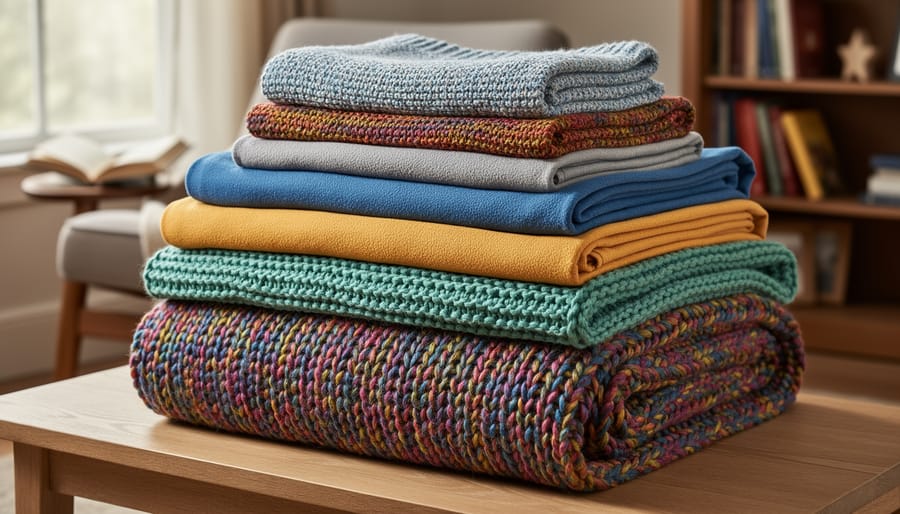
The Classic Chunky Blanket Stitch pattern stands out as the perfect starting point for first-time blanket makers because it combines foolproof simplicity with satisfying results. This beginner-level design uses super bulky #6 yarn worked with an M/N-13 (9mm) hook, meaning you’ll watch your blanket grow quickly with every row instead of feeling stuck on a project that drags on for months.
What makes this pattern especially practical is its three size options. You can start with a baby blanket to build confidence with a smaller commitment, graduate to a lapghan for personal use, or tackle a full throw once you’ve found your rhythm. The popular blanket stitch creates a textured, cozy finish without requiring you to master complicated techniques or count intricate stitch patterns.
The chunky yarn weight does most of the heavy lifting here. Each stitch covers more ground than standard yarn weights, which means fewer rows to complete and less time between starting your project and wrapping yourself in the finished blanket. For someone who’s never crocheted a blanket before, this pattern removes the intimidation factor while still delivering something you’ll actually want to use.
Color-Phasing Simple Throw
Self-striping yarns like Bernat Perfect Phasing Yarn transform simple stitches into visual showstoppers without requiring color changes or weaving in ends. These specialty yarns shift gradually through complementary hues as you work, creating sophisticated gradients that look far more complex than the actual technique.
The color-phasing approach pairs perfectly with basic stitches because the yarn does the design work. You can focus entirely on consistent tension and rhythm rather than counting rows or managing multiple yarn balls. Most patterns using these yarns stick to single crochet or half-double crochet throughout, maintaining the beginner-friendly simplicity while achieving gallery-worthy results.
When working with super bulky #6 phasing yarn and an M/N-13 (9mm) hook, you’ll watch dramatic color shifts emerge every few rows. The chunky weight means faster progress, while the built-in color transitions eliminate the intimidation factor many beginners feel about choosing coordinating yarns. This combination delivers a cozy, visually striking throw that looks custom-designed but requires only straight-line stitching from start to finish.
The Weekend Single-Stitch Blanket
Nothing beats a project that strips away complexity and lets you build muscle memory while watching your blanket grow quickly. The weekend single-stitch blanket does exactly that by using one simple stitch from start to finish, making it perfect for crocheters who want results without constant pattern-checking.
These patterns typically rely on single crochet or half-double crochet stitches worked in continuous rows. When you pair this simplicity with super bulky #6 yarn and an M/N-13 (9mm) hook, each stitch covers significant ground. You’ll watch rows stack up in minutes rather than hours, which keeps motivation high throughout the project.
The beauty of single-stitch patterns lies in their meditative rhythm. Once you complete the first few rows, your hands know exactly what to do, letting you work while streaming shows or chatting with family. Many patterns offer size flexibility, so you can choose a baby blanket to finish in an afternoon or commit to a full throw over a long weekend.
For fastest results, pick a pattern in small or medium sizing and stick with neutral or variegated yarn that hides any tension inconsistencies while you’re learning.
Three-Size Family Blanket Pattern
The three-size family blanket pattern stands out for its remarkable flexibility, letting you create coordinated blankets for everyone in your household or adapt your project to match available crafting time. This beginner-friendly pattern comes in small, medium, and large options, each using the same straightforward blanket stitch technique with super bulky #6 yarn and an M/N-13 (9mm) hook.
Start with a small version to test your tension and build confidence, then scale up to medium or large as your comfort grows. Many crafters make matching sets, perhaps a small throw for the youngest family member, a medium for teens, and a large for parents, using coordinating colors or the same cozy chunky yarn across all three. The beauty of this approach is that you’re not learning a new pattern each time; you’re simply working more rows and stitches to reach your desired dimensions.
The size flexibility also helps with sustainable crafting. Have limited yarn? The small version works perfectly. Found an incredible deal on multiple skeins? Go large and create a generous throw that drapes beautifully.
The Cozy Texture Quick Throw
Texture transforms a simple blanket into something special, and these patterns achieve impressive visual interest without advanced techniques. Beginner-friendly textured patterns rely on combining basic stitches in strategic ways, alternating single and double crochets, working into front or back loops only, or creating raised post stitches that pop forward. These simple variations produce dimensional fabric with rich visual appeal.
The beauty of textured quick throws lies in their forgiving nature. Small tension inconsistencies disappear into the pattern’s depth, making them ideal for newer crocheters still developing consistent gauge. When worked in super bulky #6 yarn with an M/N-13 hook, these textured patterns progress quickly despite their more complex appearance. The chunky weight accentuates every ridge and valley, creating dramatic visual impact from minimal effort.
Look for patterns that repeat a short sequence throughout, perhaps four rows that cycle continuously. This repetition builds confidence while creating sophisticated results that look far more difficult than they actually are.
Baby Blanket Speed Pattern
Baby blankets make ideal starter projects because their compact size lets you finish in days rather than weeks. Free patterns designed for speed typically measure between 30-36 inches square, requiring just two to three skeins of super bulky yarn. The smaller scale means you’ll work through rows quickly while still creating something meaningful and giftable.
When choosing yarn for baby blankets, prioritize softness and washability over speed alone. Super bulky #6 weight acrylic yarns labeled “baby soft” work beautifully with M/N-13 hooks, creating quick progress without sacrificing the gentle texture infants need. Skip novelty yarns with loose fibers or decorative bits that could pose choking hazards. Stick with smooth, tightly-spun options in light colors that won’t bleed during frequent washing.
The simplest baby blanket patterns use just single crochet or half-double crochet stitches throughout, letting you build muscle memory quickly while watching TV or listening to podcasts. This repetitive rhythm helps beginners develop consistent tension, and you’ll see measurable progress after each session.
Lapghan Comfort Pattern
The lapghan-sized blanket solves a specific comfort need while delivering the fastest completion time of any full-coverage project. At roughly 36 by 48 inches, this compact rectangle fits perfectly across a lap for wheelchair users, provides cozy warmth for seniors in recliners, and drapes beautifully over your legs during movie nights without the bulk of a full throw.
Because lapghans use about 40% less yarn than standard throws, you’ll finish in a fraction of the time. With super bulky #6 yarn and an M/N-13 hook, many beginners complete a lapghan in just two evenings of comfortable crocheting. The smaller size also means fewer rows to track and less physical weight to manage as you work, reducing hand fatigue.
These patterns typically maintain the same beginner-friendly blanket stitch used in larger versions, so you’re not learning new techniques, just working fewer repetitions. The result is a portable, purposeful blanket that makes an especially thoughtful gift for anyone who spends time seated, whether recovering from surgery, managing mobility challenges, or simply enjoying their favorite armchair.
Essential Materials and Tools for Quick Blanket Projects
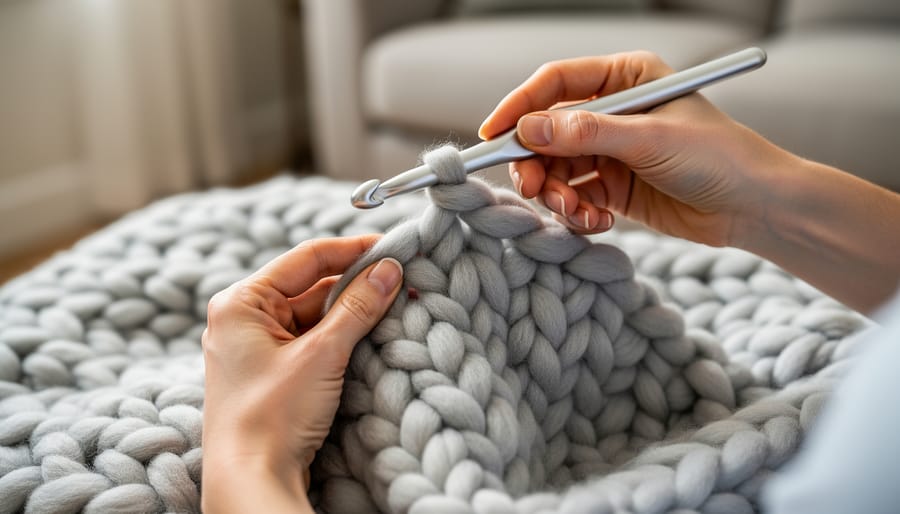
Your hook and yarn choices directly determine how fast you’ll finish your blanket. An M/N-13 (9mm) hook paired with super bulky #6 yarn creates large, satisfying stitches that build up quickly, making it possible to complete a throw-sized blanket in a weekend rather than weeks. This combination works beautifully for the popular blanket stitch and other basic stitches featured in beginner patterns.
When shopping for yarn, look for labels marked “super bulky” or “#6 weight.” Specialty options like Bernat Perfect Phasing Yarn (CDN) offer a bonus: built-in color transitions that create visual interest without requiring you to change yarns or learn complicated colorwork techniques. These self-phasing yarns let you produce a sophisticated-looking finished piece while working with just one continuous strand.
Cozy chunky yarn is available at most craft retailers, but you’ll often find better prices by checking sale sections or buying during seasonal promotions. Online marketplaces frequently offer bundle deals on super bulky yarn that give you enough for an entire throw at a discount. Since these quick patterns typically offer three size options (baby, lapghan, throw or small, medium, large), calculate your needs based on your chosen size before purchasing to avoid mid-project shortages.
Beyond the hook and yarn, you’ll need scissors for cutting and a yarn needle for weaving in ends. That’s genuinely all the equipment required. This minimal tool list keeps your investment low and your workspace uncluttered, letting you focus on the rhythmic, meditative work of creating something warm and lasting with your own hands.
Tips for Completing Your Blanket Faster
Start with your easiest project first. Those super bulky #6 yarns work up so much faster than standard weights, letting you see real progress within hours rather than days. Match your M/N-13 (9mm) hook to your yarn weight and stick with it throughout your blanket to maintain even tension without constant adjustments.
Set yourself up for success by crocheting during times when you’re alert and focused. Morning sessions often produce more consistent stitches than late-night work when fatigue leads to tension variations. Keep your project in a visible spot so you can grab it during spare moments, turning ten-minute breaks into meaningful progress.
Count your rows as you complete them rather than backtracking later. Mark every tenth row with a safety pin or piece of contrasting yarn to avoid losing track. This simple habit prevents the frustration of miscounting and having to rip out rows you’ve already invested time completing.
When working with larger hooks, let the weight of your blanket rest in your lap rather than holding it all aloft. This reduces hand strain and lets you maintain a steady rhythm for hours. Your hands guide the yarn while your lap supports the growing project.
Resist the urge to crochet tightly with these chunky yarns. Loose, relaxed stitches create the soft, drapey texture that makes blankets cozy while working up faster than tight, stiff fabric. Many beginners complete a throw-size blanket in one weekend once they find their comfortable groove with bulky yarn and consistent tension.
Common Questions About Quick Crochet Blankets
How long does a quick blanket really take to complete?
With super bulky #6 yarn and an M/N-13 (9mm) hook, a baby-size blanket typically takes 6-10 hours of active crocheting, while a throw can take 15-25 hours. Your speed will improve with practice, and working in focused sessions helps you finish faster than spreading it over weeks.
Can absolute beginners succeed with these patterns?
Yes! These beginner-level patterns use basic stitches like the popular blanket stitch, which you can master in an afternoon. Starting with cozy chunky yarn makes your stitches easier to see and correct, building your confidence quickly.
What’s the most affordable yarn option for a quick blanket?
Super bulky acrylic yarn offers the best value, typically costing $20-35 for a baby blanket or $50-80 for a throw. Watch for sales at craft stores, or consider repurposing thrifted sweaters by unraveling and combining the yarn for a sustainable, budget-friendly option.
How do I choose between baby, lapghan, and throw sizes?
Start with a baby blanket (around 30×40 inches) if you want quick success and a manageable first project. Lapghan size works perfectly for wheelchair users or couch cuddles, while throw size (roughly 50×60 inches) makes a statement piece but requires more time and yarn investment.
The beauty of these quick patterns is their forgiving nature. If you drop a stitch or your tension varies slightly, the chunky yarn and simple stitch patterns disguise minor imperfections beautifully. Many crafters find that working with specialty yarns like Bernat Perfect Phasing Yarn (CDN) eliminates color-change anxiety entirely, since the yarn does the work for you. When patterns offer three sizes (small, medium, large), you’re not locked into one outcome, you can adjust as you go based on your yarn supply or enthusiasm for the project. The key is starting, not achieving perfection.
Starting your first crochet blanket has never been more accessible. These seven free patterns remove every barrier, from cost to complexity, giving you everything needed to create something beautiful and functional. Whether you choose super bulky yarn for speed or specialty options like Bernat Perfect Phasing Yarn for effortless color transitions, you’re equipped to succeed.
At Pro Makers, we believe crafting should empower, not intimidate. Just as our floating shelves and storage bench projects make woodworking approachable, these beginner-level blanket patterns make textile crafting welcoming. Following basic safety tips with your hooks and maintaining comfortable posture ensures an enjoyable experience.
Pick your favorite pattern, grab your M/N-13 hook and chunky yarn, and cast on that first row. Your cozy creation is waiting, and you have all the skills to complete it. The most sustainable blanket is the one you make yourself, keeping textile waste from landfills while wrapping yourself in handmade comfort. Start today.